
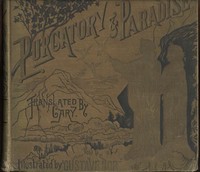
The Divine Comedy by Dante, Illustrated, Purgatory, Volume 3 by Dante Alighieri
Okay, let's catch up. In Inferno, Dante got a horrifying tour of Hell. In Purgatory, he wakes up on a beach at the foot of a gigantic mountain. This is where souls go who weren't damned, but aren't ready for Heaven yet. They died repenting, so they get a shot at purification. His guide is still the Roman poet Virgil, who represents human reason.
The Story
The mountain has seven terraces, each dedicated to cleansing one of the seven deadly sins: Pride, Envy, Wrath, Sloth, Greed, Gluttony, and Lust. Dante and Virgil climb from terrace to terrace. On each level, they meet souls undergoing a corrective punishment, or 'penance,' that directly opposes their sin. The proud, who looked down on everyone, now bend under crushing stones. The envious, who wasted life wanting what others had, have their eyes sewn shut. It's tough love, but it works. These souls are suffering, yet they're joyful and hopeful because they know it's temporary and purposeful. They're singing hymns! Near the top, Virgil—who can't enter Heaven—must leave Dante. A new guide, Beatrice, Dante's lost love, appears to lead him into Paradise.
Why You Should Read It
Forget the old-timey language for a second. Purgatory is the most human part of Dante's journey. Hell is about final judgment, but Purgatory is about process. It's about the work. It asks a powerful question: what would you willingly suffer to become a better person? The souls here aren't victims; they're active participants in their own redemption. That idea—that we can change, that our past doesn't have to be our future—is incredibly powerful. It's also a story about community. These souls support each other, pray for each other, and climb together. It's not a solo mission. Reading it feels less like watching a spectacle (like in Hell) and more like getting profound, quiet advice on how to live.
Final Verdict
This illustrated edition of Purgatory is perfect for anyone who loves big ideas but might be intimidated by classic poetry. The pictures help visualize the strange, symbolic landscapes. It's for the thoughtful reader who's ever wrestled with guilt or wanted a fresh start. It's for fans of stories about inner journeys, like The Pilgrim's Progress or even modern tales of recovery. If you found Inferno fascinating but bleak, this volume is the hopeful, necessary counterpoint. It's the book you read when you need a reminder that growth is possible, even if it's a steep climb.
You are viewing a work that belongs to the global public domain. Access is open to everyone around the world.
Oliver White
9 months agoHelped me clear up some confusion on the topic.
Emily Hill
2 years agoSolid story.









John Johnson
2 years agoGreat read!